
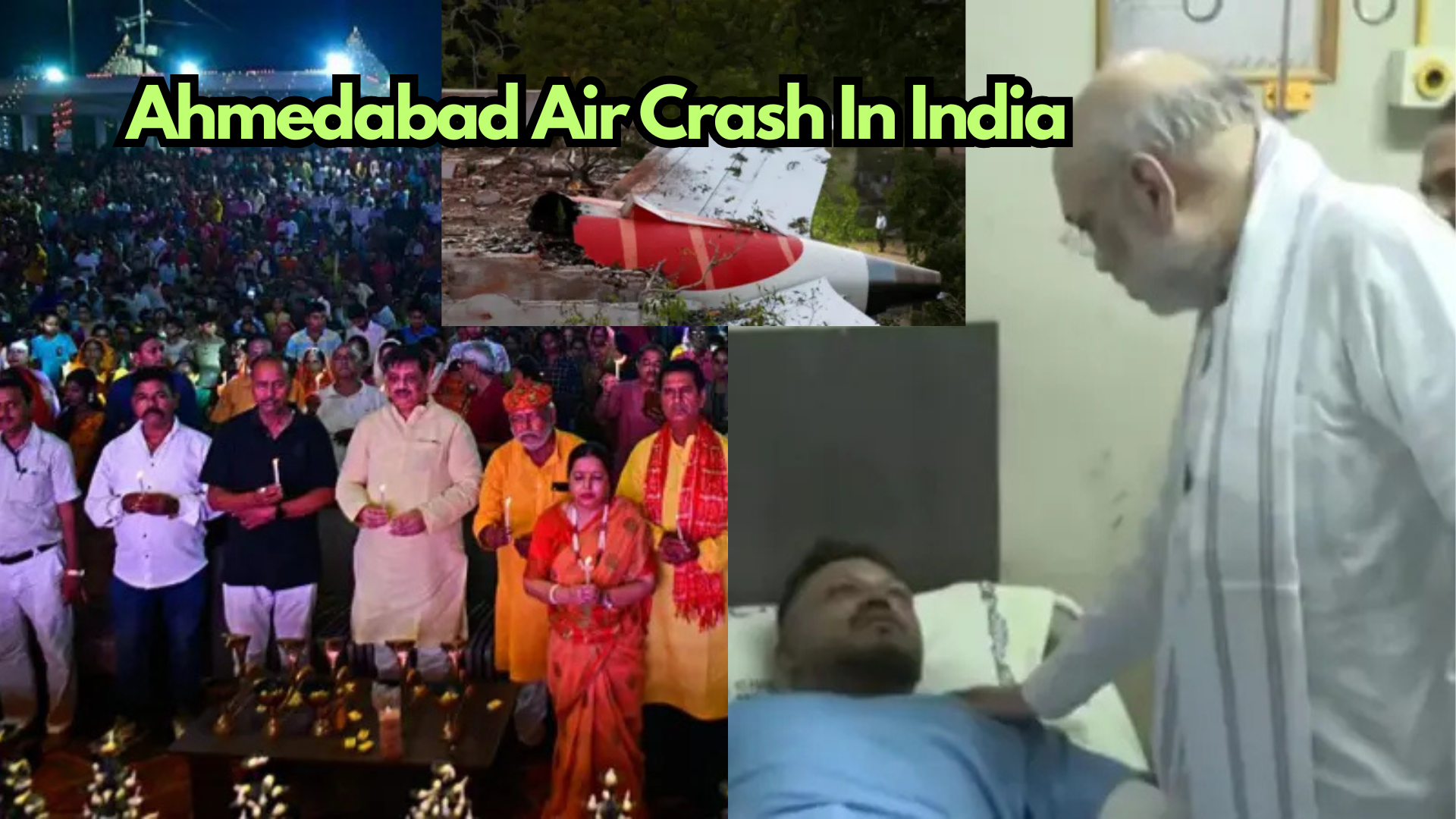
NEW DELHI – The tragic crash of an Air India Boeing 787-8 Dreamliner on Thursday, which killed over 240 people, has cast a long shadow over the airline’s efforts to rebuild its global image. The disaster, India’s deadliest in more than a decade, strikes at the heart of Tata Group’s ambitious campaign to transform Air India into a modern, world-class carrier.
Since acquiring the airline from the Indian government in 2022, Tata Group has poured resources into upgrading a neglected fleet, streamlining operations, and rebranding Air India as a premium international airline to rival carriers like Emirates and Singapore Airlines. At the forefront of this transformation has been CEO Campbell Wilson, who has spoken repeatedly of his goal to create a “world-class airline” rooted in reliability, comfort, and safety.
But the crash of Flight AI-171, just seconds after takeoff from Ahmedabad, threatens to unravel much of the progress made so far. It also marks the first fatal crash involving a Boeing 787 Dreamliner wide-body aircraft, intensifying global scrutiny. Investigations into the cause are still in their early stages, with India’s aviation minister confirming that a formal probe is underway. Air India has yet to comment on possible causes of the crash.
A Legacy of Operational Struggles
Air India’s challenges predate the Tata takeover. Under state ownership, the airline suffered from years of chronic underinvestment, aging aircraft, frequent delays, and inadequate maintenance. The airline’s reputation took a further blow with major crashes, such as the 2010 Mangalore disaster, when a Boeing 737 overshot the runway and killed 158 people, and a 2020 incident involving an Air India Express flight that crashed while landing, killing 21.
“Newer aircraft and better maintenance should be the hallmark of Air India’s survival,” said Vibhuti Deora, a former legal expert at India’s Aircraft Accident Investigation Bureau. “Proper maintenance is what they should be looking into, because Air India has had a chequered past.”
Even as Tata worked to rebuild the airline, signs of persistent dysfunction remained. Reports of grounded planes due to missing parts, outdated interiors, and complaints of dirty cabins and malfunctioning in-flight systems continued to emerge. Some aircraft hadn’t received updates since their delivery over a decade ago, according to CEO Wilson.
Fleet Modernization Still Ongoing
According to government data from March, Air India operates a fleet of 198 planes. Of these, 27 are between 10 and 15 years old, and 43 are more than 15 years old. Its low-cost subsidiary, Air India Express, operates 101 aircraft—37% of which are over 15 years old. By contrast, domestic rival IndiGo operates a much younger fleet.
The plane involved in Thursday’s crash was 11 years old, based on data from Flightradar24.
Despite these challenges, Tata has been moving aggressively to refresh the fleet. The airline has ordered a record 570 new jets and is reportedly in talks for dozens more. It has also expanded international routes and boosted partnerships, including a stake held by Singapore Airlines.
Still, the pace of modernization may not be fast enough to outrun the damage caused by legacy issues. Passenger complaints remain frequent. In Britain, Air India was ranked the worst airline for flight delays in 2024, with departures averaging nearly 46 minutes late, according to data from the Civil Aviation Authority analyzed by the PA news agency.
Financially, the airline remains in the red. It posted a net loss of $520 million in fiscal year 2023-24 on revenues of $4.6 billion—its fifth consecutive year of losses.
A Brand Shaken
In a symbolic move, Air India’s website turned from its usual red theme to a subdued black and grey on Thursday, with a banner prominently displaying the doomed flight number: “AI-171.”
The psychological blow to the brand may be harder to measure. Once known for its Maharajah mascot and opulent service under founder JRD Tata, Air India was long seen as a national symbol of pride. Its decline over the past two decades eroded that image, but Tata’s acquisition sparked hopes of revival.
“This will be a major setback for the brand,” said Dilip Cherian, communications consultant and co-founder of public relations firm Perfect Relations. “For an airline, the most important thing is the association of its brand with safety. That identity has been shaken.”
The timing could not have been worse. Just days before the crash, Indian Prime Minister Narendra Modi had told a global gathering of aviation executives in New Delhi that India’s aviation sector was at an inflection point. The country is one of the fastest-growing markets for air travel, and Air India was supposed to be a flagship for that growth.
A Difficult Path Ahead
Thursday’s crash has forced Tata and Air India to confront the hardest question of all: Can the airline ever truly shed its troubled past?
“This is a difficult day for all of us at Air India,” said CEO Wilson in a video message to staff. “Investigations will take time.”
The process of rebuilding trust—both from the public and within the aviation industry—will be long and painful. While the company’s strategy of modernization, global expansion, and investment in customer experience may still be valid, its foundation must now be rebuilt on the unshakeable pillar of safety.
In the short term, the crash will likely intensify regulatory scrutiny, impact passenger confidence, and test the leadership of Tata Group’s aviation arm. In the long term, it may determine whether Air India can truly rise as a credible global airline—or be grounded once again by the weight of its past.
Conclusion:
The crash of Air India Flight AI-171 marks a devastating moment not only in the lives of those affected but also in the airline’s ongoing efforts to transform itself into a modern, reliable, and world-class carrier. While the Tata Group’s vision for Air India was built on renewal and progress, this tragedy underscores the deep-rooted challenges that continue to haunt the airline—from fleet age and maintenance standards to passenger trust and brand credibility. As investigations unfold and the industry watches closely, the airline must confront a painful truth: without a relentless and transparent commitment to safety, no amount of investment or ambition can truly lift Air India to the heights it seeks. The road ahead is long—and rebuilding trust may prove to be the airline’s greatest test yet.
2 thoughts on “Air India Crash Puts ‘World-Class Airline Ambitions Under Scrutiny”